Twenty five principles, five strands, four elements of practice
The Freedom Approach has twenty five principles. I group them into five strands so a team can learn them in a sensible order and check their own practice against them. You can see the names here. The full wording, the practice guidance behind each principle and the audit tools are shared with licensed settings and people in training.
The strands are a teaching structure. The pedagogy is the twenty five principles. A licensed setting works to all twenty five, not to a strand of its choosing.
The five strands
1
Safety and trust
Nothing is learned in a body that is braced for danger. These principles come first because everything else depends on them.
Emotional and physical safety
Trust building
Consistency and constancy
Responsive, not reactive
2
Rights and identity
Many neurodivergent and disabled young people have not had their rights respected in educational spaces. This strand puts their rights back at the centre.
Acceptance
Rights respecting
Nothing for us, without us
Intersectionality
Positionality
Democratic culture
Transparent and universal
3
Energy, sensory and regulation
Neurodivergent learning is often more intense and more tiring. This strand paces the day so that nobody is pushed into burnout.
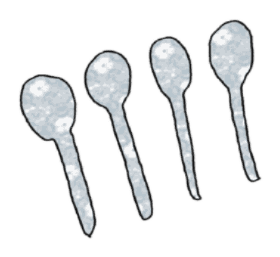
Spoon theory
Glimmers and stress sparks
Sensory supporting
Monotropic and polytropic learner friendly
Co-regulation
Self regulation supporting
4
Connection and community
Belonging with people you can relate to is not a nice extra. It is what makes learning possible.
Connection over control
Community based
Accessible
Authentic
5
Learning and reflection
The approach is applied reflectively, never mechanically, by people who keep learning and unlearning as they go.
High quality, innovative teaching
Ever evolving
Reflective culture
Holistic
The four elements of practice
The principles describe a culture. These four elements are what a licensed setting does, week by week. The detail sits inside the licence and the training.
1. Assessment and planning
Every young person is known well before they are taught, starting with their MeMap. Their progress is recorded in a way that honours the whole person, using the family of tools.
2. Teaching and learning
The national curriculum, age and stage appropriate, taught by qualified, vetted teachers whose way of working fits the approach.
3. Collaboration
Parents, carers and partner organisations are part of planning and review. This is a fundamental of the model, not a courtesy.
4. Implementation
Leadership, culture, resources and review that let the approach hold over time. That is why the licence checks for them.
The rhythm
Nature, friendship, learning and play, makes for a happier, glimmering day. Add some healthy stimming, now we're really winning!The Freedom Approach
Why freedom? Because only when we feel authentically respected, accepted, understood and supported can we experience the freedom to learn well. Every child and young person is already a natural, avid learner. The Freedom Approach is about curating the right environment, so they can move from survive to thrive.